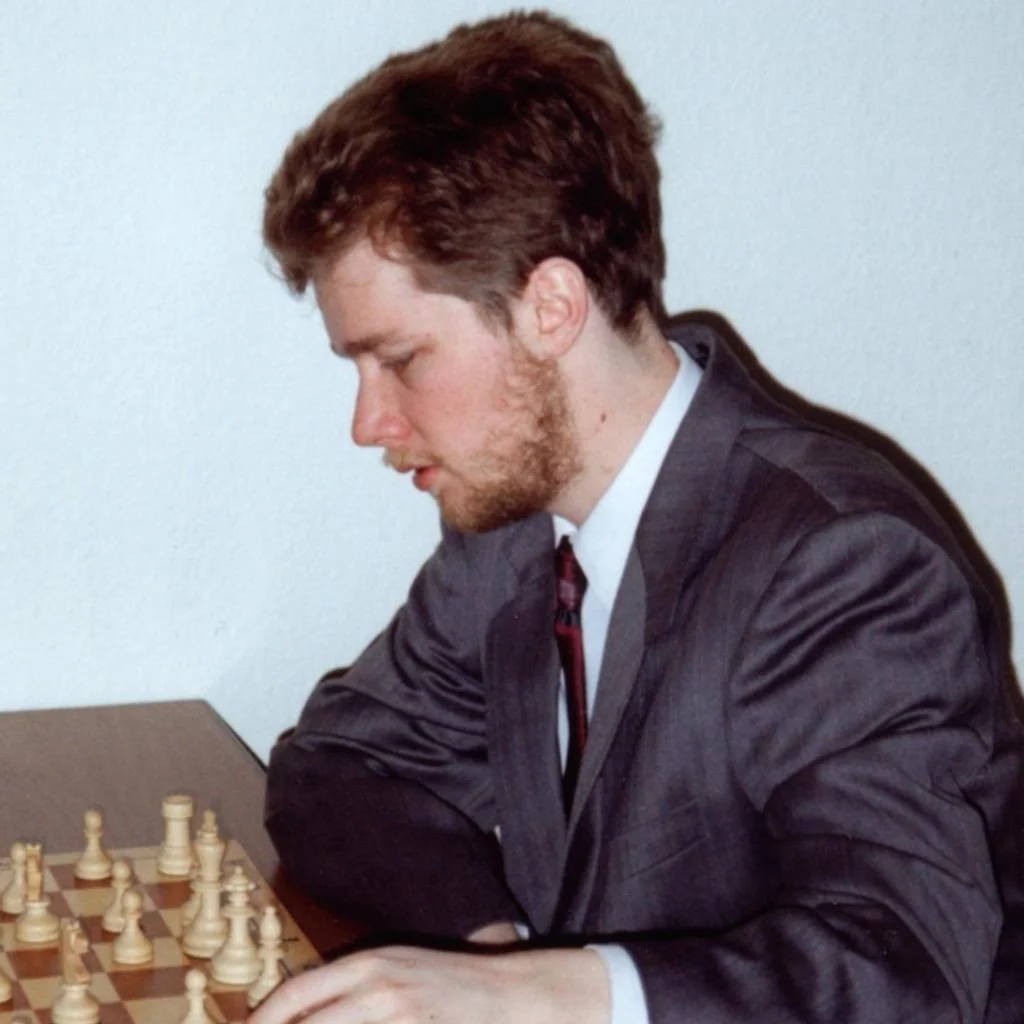
Alexander Khalifman was born on January 18, 1966, in Leningrad, Soviet Union (now Saint Petersburg, Russia). He was introduced to chess at the age of six by his father, who was an avid chess player. Alexander's talent for the game was evident early on, and he quickly progressed through the ranks of local chess clubs. His early chess education was supported by the rich chess culture of Leningrad, where he had access to some of the best coaches and training facilities in the Soviet Union.
Khalifman's early successes in youth tournaments in Leningrad and other parts of the Soviet Union highlighted his potential as a future chess star. He won several national youth titles, which set the stage for his entry into more competitive tournaments. His deep understanding of the game and natural strategic thinking were evident from a young age.
Balancing his academic studies with his chess ambitions, Khalifman managed to excel in both areas. His analytical skills, honed through countless hours of chess practice, also benefited his academic pursuits. These formative years laid a solid foundation for his future achievements in the highly competitive world of international chess.
Alexander Khalifman's rise to prominence in the chess world began in the late 1980s. After achieving notable successes in Soviet tournaments, he quickly established himself as one of the top players in the Soviet Union. His breakthrough came in 1990 when he won the Soviet Championship, a title that solidified his status as an elite player.
In 1990, Khalifman earned the Grandmaster title, and his career gained momentum with strong performances in international tournaments. Notably, he won the prestigious Biel Chess Festival in 1994 and the New York Open in 1995. His consistent results in high-level competitions, such as the Chess Olympiads and the European Individual Chess Championship, solidified his reputation as a formidable opponent.
Known for his deep strategic understanding and solid playing style, Khalifman became a respected figure on the international chess circuit. His steady climb in the FIDE rankings, reaching a peak rating of 2702, reflected his success and influence in the chess community. By the mid-1990s, he had firmly established himself as one of the world's leading Grandmasters.
Alexander Khalifman achieved the pinnacle of his career when he won the FIDE World Chess Championship in 1999. This victory was significant, as he emerged victorious in a knockout format, defeating several top-ranked players along the way. His triumph in the championship solidified his place in chess history as a world champion.
Winning the World Chess Championship brought Khalifman international recognition and established him as one of the top players of his era. His deep understanding of the game and his ability to perform under pressure were key factors in his success. Khalifman's reign as world champion was a testament to his hard work, dedication, and strategic acumen.
Although his tenure as world champion was relatively short, Khalifman's impact on the chess world was profound. He continued to compete at the highest levels and remained a formidable opponent for many years. His contributions to the game, both as a player and a coach, have left a lasting legacy in the chess community.
Develops long-term plans and strategies, often focusing on the gradual improvement of position.
Focuses on long-term strategic advantages, optimal piece placement, and control of key squares.
Plays safely and solidly, avoiding unnecessary risks and focusing on building a strong, unassailable position.
Adapts quickly to changing positions, often taking calculated risks to create imbalances.
Alexander Khalifman's career is highlighted by a series of impressive achievements and records. Winning the FIDE World Chess Championship in 1999 was the crowning achievement of his career, establishing him as a world-class player. He also secured victories in prestigious international tournaments, such as the Biel Chess Festival and the New York Open.
Khalifman's peak FIDE rating of 2702 reflects his standing among the world's elite chess players. His consistent performance in high-stakes tournaments has been a defining feature of his career. He has represented Russia in numerous Chess Olympiads and European Team Chess Championships, contributing to the country's successes in these competitions.
In addition to his tournament successes, Khalifman is known for his contributions to chess literature. He has authored several books and articles on chess strategy and tactics, which have been well-received by the chess community. His ability to articulate complex ideas clearly has made his writings popular among both novice and experienced players. Khalifman's career serves as an inspiration, demonstrating that with dedication and passion, sustained success in the highly competitive world of chess is achievable.
Off the board, Alexander Khalifman has made significant contributions to the chess community through his roles as a coach, author, and commentator. He has coached numerous young players, helping them develop their skills and achieve success in their own careers. Khalifman's dedication to coaching highlights his commitment to nurturing the next generation of chess talent.
As an author, Khalifman has made a lasting impact on the chess world. His books and articles on chess strategy and tactics are highly regarded and have been translated into several languages. His ability to explain intricate concepts in a clear and accessible manner has made his writings a valuable resource for players of all levels.
Khalifman is also a respected commentator, providing in-depth analysis for major chess events. His articulate and insightful commentary has made complex concepts accessible to a broad audience, enhancing the appreciation of the game for many fans. Khalifman's off-the-board contributions continue to inspire and educate players worldwide, enriching the global chess community.
Alexander Khalifman is known for his thoughtful and analytical approach, both on and off the chessboard. He values his privacy and prefers to keep his personal life out of the public eye. Despite his achievements, Khalifman remains humble and approachable, always willing to share his knowledge and experience with others.
Outside of chess, Khalifman enjoys a variety of interests, including music, literature, and exploring different cultures. These activities provide him with a well-rounded perspective and contribute to his intellectual curiosity. His love for learning and exploration extends beyond chess, enriching his personal life and broadening his horizons.
In his personal interactions, Khalifman is known for his kindness and generosity. He has built strong relationships with his family, friends, and colleagues, who appreciate his supportive nature and thoughtful insights. Khalifman's balanced approach to life, combining his passion for chess with his other interests, makes him a respected and admired figure both on and off the chessboard.
Alexander Khalifman is a skilled guitarist and often plays classical and jazz music in his free time. His love for music provides a creative outlet and a relaxing balance to his intense focus on chess.
In addition to his musical talents, Khalifman is also an avid hiker. He enjoys exploring the natural landscapes of Russia and other countries, finding peace and inspiration in the great outdoors. His hiking adventures often serve as a source of rejuvenation and reflection.
Search for another top-rated chess player (a player rated over 2500) and discover more insights into these players' mindsets and ideologies.