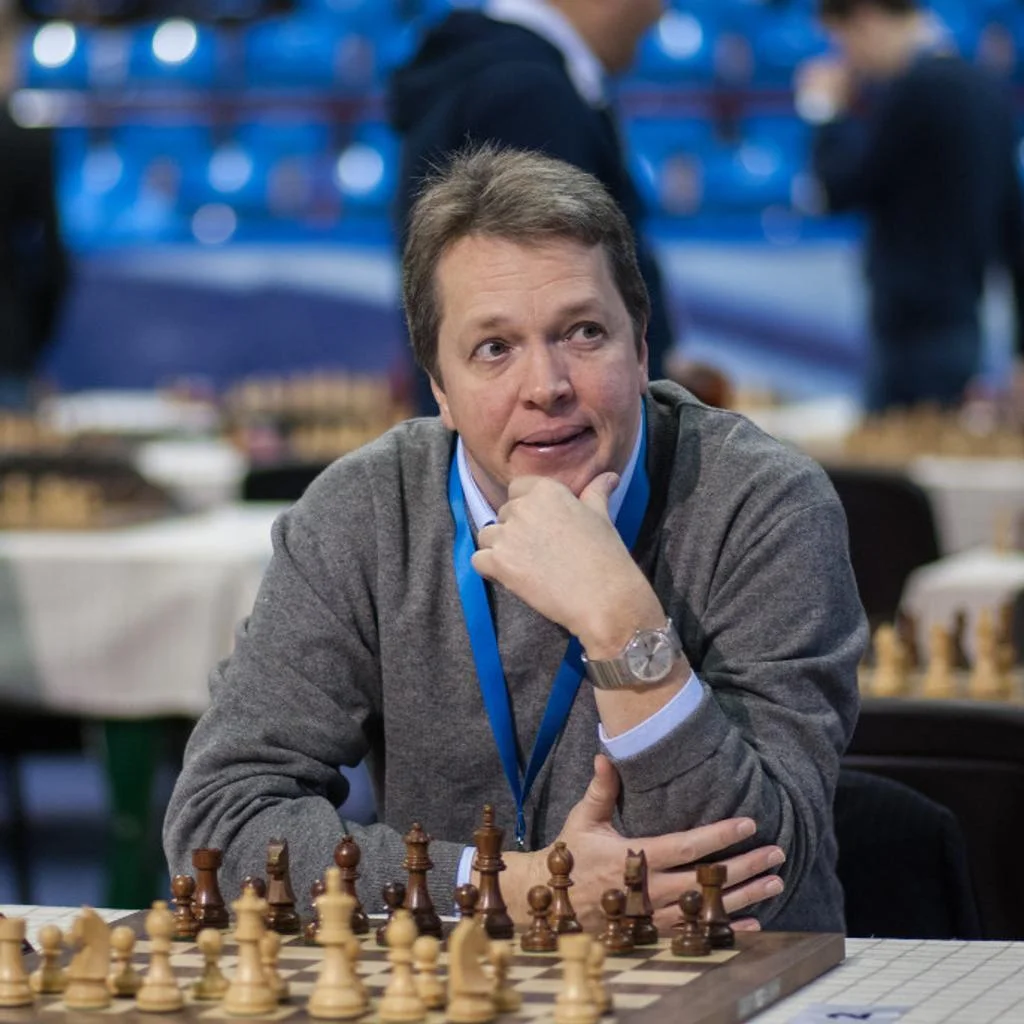
Nigel Short was born on June 1, 1965, in Leigh, England. From a young age, Short exhibited a remarkable aptitude for chess, a talent that was quickly recognized by his family. His father, a chess enthusiast, introduced him to the game, and Short quickly developed a passion for it. By the age of six, he was already competing in local youth tournaments, demonstrating his natural talent and strategic thinking.
Short's early chess education involved rigorous training and participation in numerous junior competitions. His parents supported his passion wholeheartedly, ensuring he had access to the best resources and coaching available. These formative years were crucial, as they helped shape his competitive mindset and technical abilities. By the time he was a teenager, Short had already won several national youth titles, showcasing his potential as a future chess star.
As he grew older, Short continued to excel in chess, balancing his academic responsibilities with his passion for the game. His dedication to chess was evident in the countless hours he spent studying and practicing. These early achievements laid a strong foundation for his future success in the competitive chess arena. Short's rise through the ranks of junior chess was marked by a series of impressive performances that highlighted his prodigious talent and relentless work ethic.
Nigel Short's rise to prominence in the chess world began in earnest in the late 1970s and early 1980s. He earned the title of International Master in 1979 and achieved the Grandmaster title in 1984, at the age of 19. His rapid ascent was marked by consistent performances in national and international tournaments. One of his early notable achievements was winning the British Chess Championship in 1984.
Short's breakthrough on the international stage came in 1985 when he qualified for the Candidates Tournament. His performances in these tournaments showcased his talent and strategic depth, earning him recognition as one of the strongest players in the world. His aggressive and dynamic style of play made him a difficult opponent to prepare for, and he often employed innovative strategies to outmaneuver his rivals.
Throughout the late 1980s and early 1990s, Short continued to build on his early successes. He consistently performed well in various international events, including the prestigious Linares and Tilburg tournaments. His ability to compete against and defeat top-ranked players further solidified his status as one of the world's elite chess players. Short's rise to prominence was characterized by a series of impressive performances that highlighted his talent, creativity, and relentless pursuit of excellence.
Nigel Short's most notable achievement in the World Chess Championship cycle came in 1993 when he challenged Garry Kasparov for the title. Short earned his spot in the championship match by winning the Candidates Tournament, defeating several top players including Anatoly Karpov. The 1993 World Chess Championship match was held in London, and although Short ultimately lost to Kasparov, his journey to the finals marked a significant milestone in his career.
Short's participation in the World Chess Championship cycles demonstrated his ability to compete at the highest levels of the game. His matches were often intense and closely contested, earning him respect from his peers and chess enthusiasts alike. His strategic and tactical prowess were evident in his games, which have been studied for their depth and complexity.
While Short did not clinch the world title, his career as a contender in the World Chess Championship cycles highlights his significant contributions to the chess world. His experiences and near successes serve as an inspiration to many aspiring chess players, proving that perseverance and dedication are crucial components of reaching the pinnacle of the sport.
Prioritizes attacking the opponent's king and creating complications to pressure the opponent.
Emphasizes sharp, aggressive play with a focus on short-term calculations, combinations, and sacrifices.
Adapts quickly to changing positions, often taking calculated risks to create imbalances.
Known for thinking outside the box, creating unexpected and original moves that challenge conventional play.
Nigel Short boasts an impressive list of achievements and records in his chess career. He has won numerous national and international tournaments, including the British Chess Championship and the Reykjavik Open. His consistent performances in these events have established him as one of the leading players of his generation. His ability to secure victories in a wide range of tournaments underscores his versatility and adaptability.
Short's peak FIDE rating of 2712 places him among the elite players in the chess world. He has represented England in several team events, including the Chess Olympiad and the European Team Chess Championship, where his contributions have been significant. His international victories and high ratings are a testament to his skill and dedication. Throughout his career, Short has demonstrated a remarkable ability to maintain high standards of play, even under intense pressure.
In addition to his tournament successes, Short is known for his innovative and creative approach to the game. His games are often studied for their originality and depth, providing valuable insights for players and enthusiasts alike. Short's contributions to chess literature and his role as a mentor to younger players have further solidified his impact on the chess world. His achievements and records reflect his enduring commitment to excellence in chess.
Off the board, Nigel Short is highly respected for his contributions to chess education and his engaging personality. He is passionate about coaching and mentoring young players, helping them develop their skills and achieve their potential. His approach to coaching emphasizes strategic thinking and creativity, encouraging his students to develop their own unique playing styles.
Short has authored several books and instructional materials on chess, sharing his extensive knowledge and experience with a broader audience. His writings are known for their clarity, depth, and practical insights, making them valuable resources for players of all levels. His commitment to chess education extends beyond writing; he frequently participates in seminars, workshops, and lectures, sharing his expertise and inspiring others.
In addition to his educational efforts, Short is active in promoting chess through various media. He has appeared on numerous chess broadcasts and commentary panels, where his articulate analysis and engaging personality have made him a popular figure in the chess community. His off-the-board contributions have significantly impacted the game, promoting its growth and development worldwide.
Nigel Short leads a fulfilling life that integrates his professional chess career with diverse personal interests. Away from the chessboard, he enjoys a variety of activities that enrich his life and provide a well-rounded perspective. His ability to juggle the demands of competitive chess with his personal life is a testament to his organizational skills and strong work ethic.
Short is an avid reader, particularly interested in history and philosophy. He finds that reading helps him relax and gain new insights, which often translate into creative approaches on the chessboard. His intellectual curiosity extends beyond chess, as he engages in discussions on a wide range of topics, contributing to his well-rounded personality.
In addition to his love for literature, Short has a passion for travel and experiencing different cultures. He enjoys exploring new destinations and learning about their history and traditions. These hobbies not only offer relaxation but also provide inspiration for his chess career. Short's diverse interests and commitment to personal growth reflect his multifaceted character and approach to life.
Nigel Short has a unique hobby of learning new languages. He speaks several languages fluently and enjoys the challenge of mastering new ones. This linguistic skill has often helped him during his international travels and tournaments.
Another interesting fact about Short is his love for cooking. He enjoys experimenting with different cuisines and often prepares elaborate meals for his family and friends. His culinary skills are yet another example of his creative spirit and attention to detail.
Search for another top-rated chess player (a player rated over 2500) and discover more insights into these players' mindsets and ideologies.