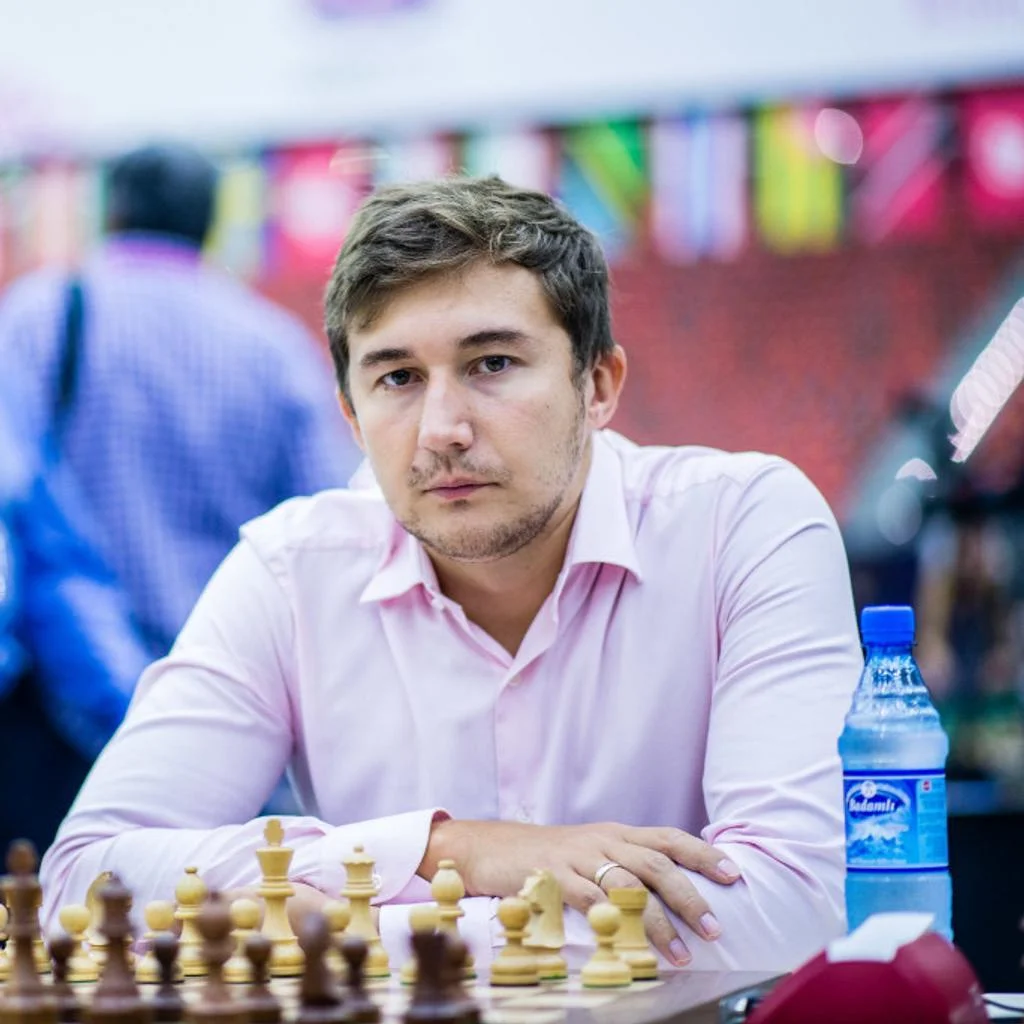
Sergey Karjakin was born on January 12, 1990, in Simferopol, Ukraine. His early exposure to chess began at a young age, with his family supporting his interest in the game. Karjakin's prodigious talent was evident early on, as he quickly progressed through the ranks of youth chess tournaments.
As a child, Karjakin was recognized for his exceptional abilities and achieved significant success in local and national competitions. His early achievements, including victories in various junior tournaments, set the foundation for his future career in chess.
Karjakin's formative years were marked by intense training and participation in high-level chess events. His rapid development and impressive performances as a young player garnered attention from the international chess community, positioning him as a rising star in the chess world.
Sergey Karjakin's rise to prominence began with his remarkable achievements in the early 2000s. His breakthrough came in 2002 when he became the youngest Grandmaster in history at the age of 12 years and 7 months, a record that showcased his extraordinary talent and potential.
Karjakin continued to make headlines with strong performances in international tournaments. His notable achievements include winning the 2009 Corus Chess Tournament and the 2010 Mikhail Tal Memorial. His success in these high-profile events demonstrated his ability to compete at the highest level and solidified his reputation as one of the top players in the world.
In 2016, Karjakin earned a spot in the World Chess Championship match against Magnus Carlsen, where he was a formidable opponent. His strong showing in the match and his overall performances in elite tournaments have established him as a leading figure in the chess world.
Sergey Karjakin has not won the World Chess Championship title. Despite his impressive achievements and strong performances in various tournaments, he has not yet secured the championship title.
Karjakin's notable success includes competing in the 2016 World Chess Championship match against Magnus Carlsen. Although he did not win the title, his performance in the match was highly competitive and demonstrated his capability to challenge for the world championship.
As a prominent chess player, Karjakin's career continues to be closely followed, and his potential to win the world championship remains a topic of interest. His strong performances and competitive edge keep him as one of the top contenders in the chess world.
Prioritizes attacking the opponent's king and creating complications to pressure the opponent.
Emphasizes sharp, aggressive play with a focus on short-term calculations, combinations, and sacrifices.
Focuses on solid, cautious play, prioritizing the safety of the king and the solidity of the position.
Develops long-term plans and strategies, often focusing on the gradual improvement of position.
Sergey Karjakin's achievements and records highlight his status as one of the top players in chess. He became the youngest Grandmaster in history in 2002 at the age of 12 years and 7 months. Karjakin has achieved a peak FIDE rating of 2792.
His notable accomplishments include winning the Corus Chess Tournament in 2009 and the Mikhail Tal Memorial in 2010. Karjakin's strong performances in these prestigious tournaments and his competitive results in various international events have established him as a leading chess player.
In addition to his tournament successes, Karjakin's performance in the 2016 World Chess Championship match against Magnus Carlsen showcased his ability to compete at the highest level. His achievements reflect his skill and dedication to the game.
Outside of chess, Sergey Karjakin is known for his interests in various activities and hobbies. He enjoys following and playing sports, particularly football, and often engages in these activities during his free time. Karjakin's interest in sports reflects his active lifestyle and balance between his professional and personal life.
Karjakin is also involved in chess promotion and education, participating in events and activities that support the growth of the game. His commitment to contributing to the chess community demonstrates his dedication to the sport beyond his competitive career.
In his personal life, Karjakin values his family and often spends time with them. His family's support has been a significant factor in his chess career, and he maintains close relationships with his loved ones.
Sergey Karjakin was born and raised in Simferopol, Ukraine, where his early chess training began. His family played a crucial role in supporting his chess career, providing him with the resources and encouragement needed to excel. Karjakin's upbringing in a supportive environment contributed significantly to his development as a player.
Karjakin's move to compete in international tournaments was a key factor in his growth as a chess player. His transition to a more competitive environment allowed him to hone his skills and face some of the best players in the world. This experience was vital in shaping his career and helping him achieve his current status.
Despite his professional success, Karjakin remains grounded and values his personal relationships. He maintains a close bond with his family and friends, and their support has been a cornerstone of his career. His ability to balance his professional and personal life reflects his dedication and maturity.
A fun fact about Sergey Karjakin is that he became the youngest Grandmaster in history at the age of 12 years and 7 months, a record that highlights his extraordinary talent and early development in chess.
Another interesting fact is that Karjakin has a keen interest in football and enjoys following and playing the sport in his leisure time. His enthusiasm for football adds an interesting dimension to his personality and showcases his well-rounded interests.
Search for another top-rated chess player (a player rated over 2500) and discover more insights into these players' mindsets and ideologies.